A permission ladder for sharing children’s photographs
Taking a photograph and distributing it are different decisions. Children need a practical way to express a preference even when they cannot understand every possible future use of an image.
The situation to understand
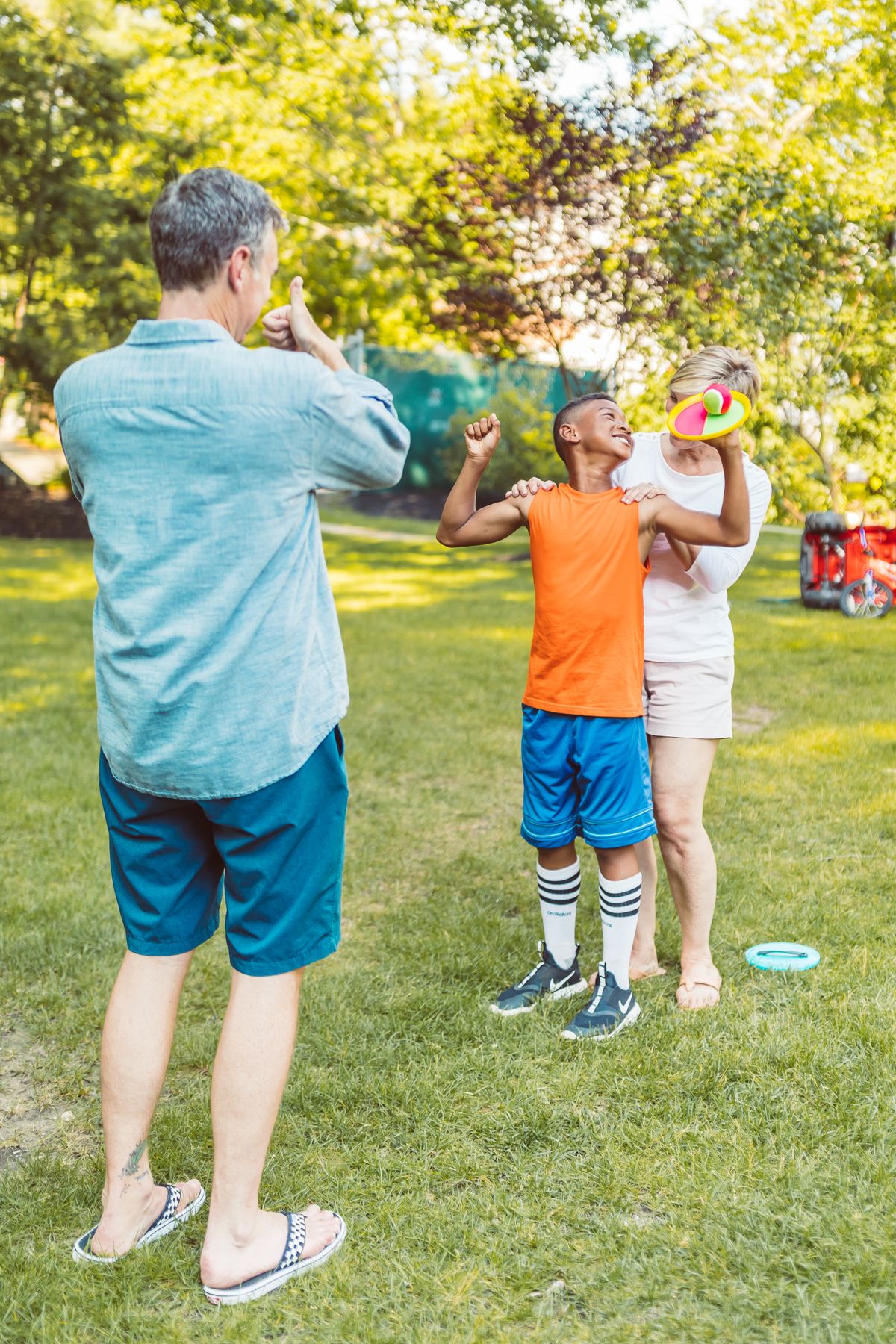
The school concert photo seems harmless until it appears in several family chats and on a public page. One child liked the photograph; another did not want anyone outside the household to see it.
AAP guidance asks adults to consider children’s privacy when posting about them. Taking a photograph and distributing it are different decisions. Children need a practical way to express a preference even when they cannot understand every possible future use of an image.
A closer look at the practical details
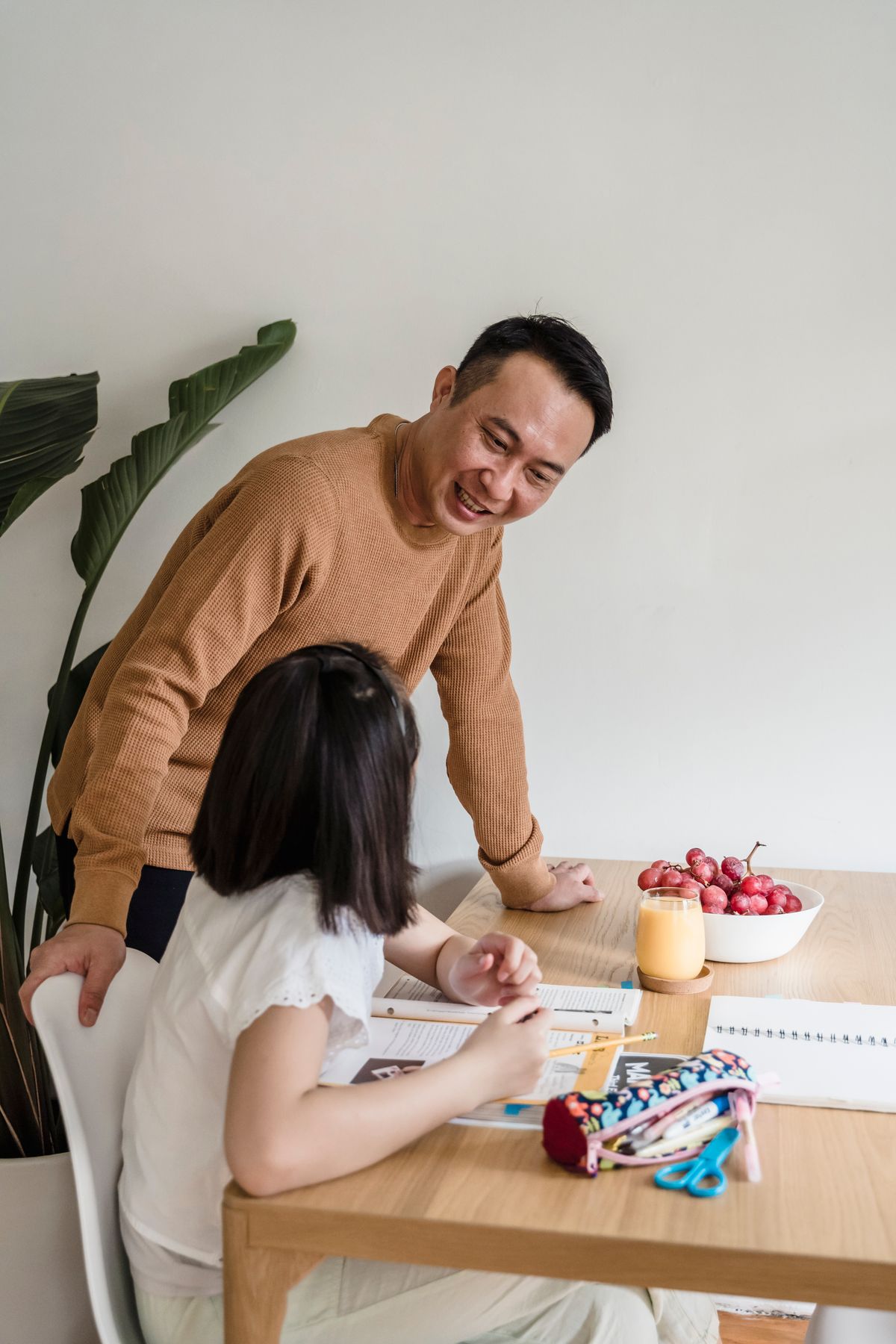
A useful photo conversation happens before the camera comes out, especially at an occasion where everyone expects to post. Explain that the child can enjoy the event without agreeing to a public record of it. For a group photograph, each family may have different preferences; asking only your own child is not enough. If a relative has already posted an image outside the agreed audience, request removal directly and describe the future rule briefly. You do not need to argue about whether the photograph looks nice. The relevant question is whether the people represented had a say in where it went.
Give the change a clear purpose
You can create separate choices for keeping a photo, sharing it with named relatives, and posting it publicly. Explain the purpose in a sentence before moving into details; people can respond more thoughtfully when they know which problem you are trying to solve. Ask whether the proposed move addresses that problem from the other person’s perspective as well. If it does not, revise the move rather than defending it merely because it was your first idea. A shared understanding of the purpose makes unexpected situations easier to handle later.
Choose the smallest useful version
Begin by trying to check the frame for school badges, location clues, other children and information that does not need to travel. Avoid making the first version larger than the problem requires; a change that demands extensive preparation may disappear as soon as the week becomes busy. Consider what can be done with the time, materials and support already available. Ask the other person which part they can comfortably take on. Make any additional responsibility explicit instead of allowing it to emerge silently from the initial request.
Check what each person understood
Once you decide to give relatives a brief forwarding rule whenever a picture leaves the household, describe what the action will look like rather than relying on a broad instruction. Invite the other person to explain their version and listen for differences in timing, scope or responsibility. Correct a mismatch calmly before it becomes evidence that somebody failed to cooperate. A brief clarification can prevent a later argument about what was supposedly obvious. Where the arrangement involves another adult, give them the same current information.
Words to begin with
A possible opening: “This one is for our family album. Would you like Grandma to see it too, or would you rather keep it just here?”
A complication worth addressing
Very young children cannot meaningfully evaluate permanent distribution. Adults still carry the responsibility to minimize exposure and choose images that preserve dignity.
What to notice next
Look for whether requests to remove photographs were honored promptly and whether relatives understood the audience agreed for each image.
Sources & further reading
Source links support the factual context. Practical examples and suggested workflows are original editorial guidance. Sources checked October 5, 2026.
Spotted something we should correct? Send a correction. Read our editorial policy.